.png) English

IoT sensors and traceability: improving the cold chain
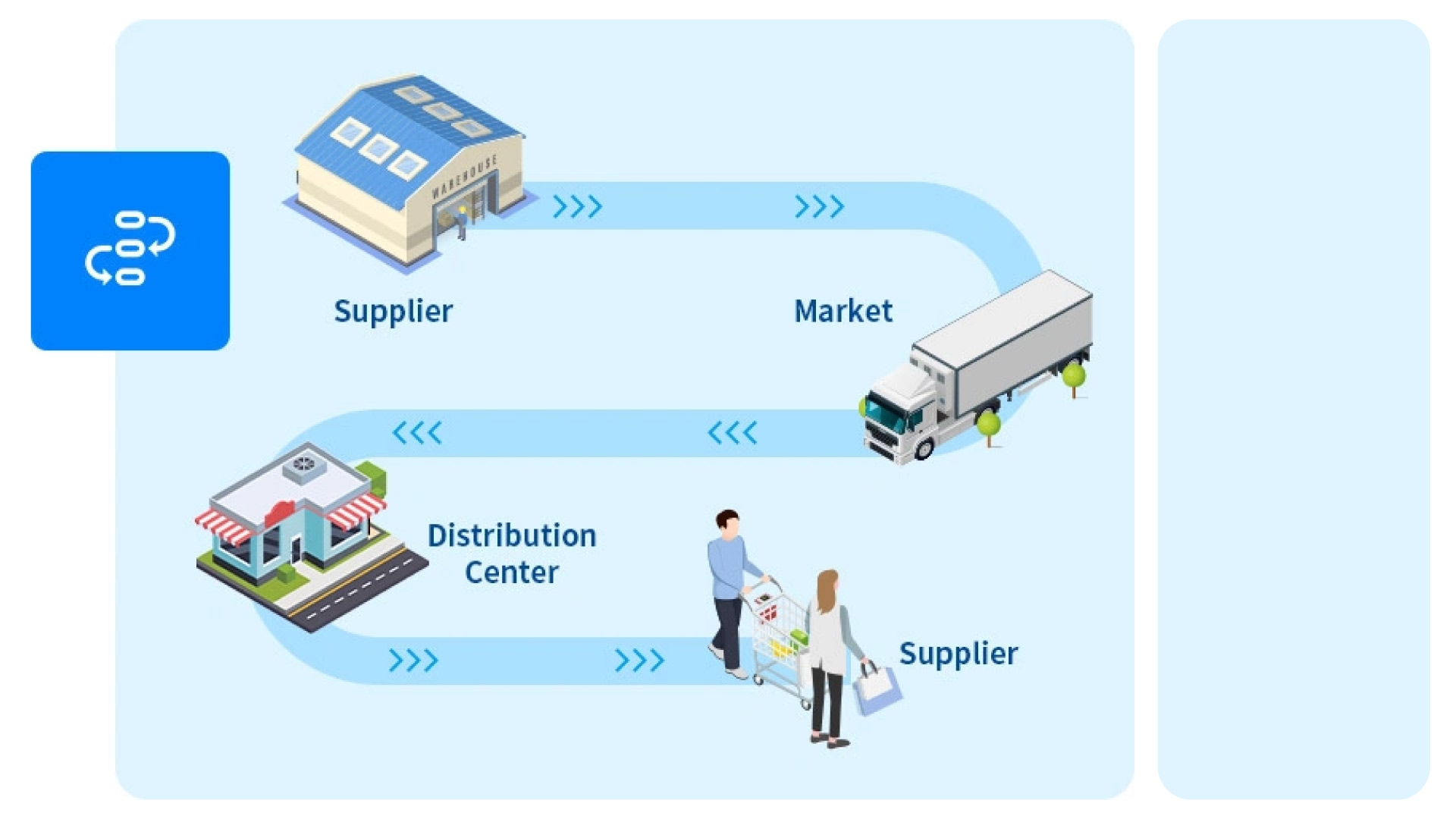
Cold chain management is crucial for the quality of food products, drugs and sensitive materials. In recent years, the introduction of IoT (Internet of Things) sensors has transformed the way logistics operators and freight forwarders monitor temperatures, humidity and the integrity of shipments, shifting control from sporadic checks to continuous and proactive monitoring.
Key benefits:
- Real-time monitoring: sensors transmit continuous data throughout the supply chain, enabling immediate detection of temperature deviations and allowing action to be taken before goods are compromised.
- Alerts and rapid response: pre-set thresholds trigger automatic notifications via SMS, email or dashboard. The operations team can then trigger containment procedures, route diversions or arrange for immediate collection.
- Documented traceability: historical logs provide digital evidence of correct temperature management, which is useful for regulatory compliance, certifications and the handling of returns or disputes.
- Cost optimisation: reduced waste, fewer returns and improved route planning thanks to historical data highlighting risk patterns and inefficiencies.
Practical implementation
The effective adoption of sensors requires an integrated strategy: selecting devices (stand-alone or vehicle-integrated), defining critical thresholds for different products, and integrating data with the company’s TMS/WMS. It is important to plan for connectivity (GSM, NB-IoT, LoRaWAN), battery management and data security (encryption and secure access).
Challenges and solutions:
- Data reliability: regular sensor calibration and maintenance are essential to avoid false alarms. Device verification and certification programmes can mitigate such risk.
- IT integration: many companies have disparate systems. Using middleware or cloud platforms with open APIs facilitates integration and centralised visibility.
- Privacy and compliance: location and operational data must comply with local regulations (e.g. GDPR) and customer agreements, with clear policies on retention and access.
- Initial costs: the initial investment is offset by operational savings and reduced losses. Pilot assessments allow for ROI estimates before scaling up.
Outlook
The evolution of sensors towards smaller, cheaper devices with low-power connectivity will pave the way for widespread implementation. Integration with artificial intelligence will enable advanced forecasting (e.g. risk of out-of-specification conditions along a route) and dynamic route optimisation to operate the cold chain at lower costs.
Conclusion
IoT sensors now represent a strategic asset for temperature-controlled logistics operators: they improve service quality, reduce risks and waste, and provide the transparency required by customers and regulations. A well-designed implementation underpinned by control processes and IT integration can turn temperature monitoring into a competitive advantage, rather than merely operating with a reactive approach.